Social Media

Education

Parents Want Help with Clearing Information Landmines: Information Literacy Programs for Parents of Children Under Twelve

Considering the ubiquity of devices available to children and content created for them, parents of children 12 and younger should be targeted as a specific group for new information literacy programs.  A May 2025 Pew Research Center survey reported that parents of children 12 and younger allow their children to use various devices (TVs, tablets, smart phones) to access platforms (YouTube and social media), for reasons such as entertainment, learning, staying connected, and calming down. Parents of the same survey also reported that smartphones and content created for social media is more harmful that beneficial and that tech companies and law makers should do more to prevent harms. They also reported challenges about deciding what to allow and how to manage screentime for their children. Many reported they felt a need to improve their decision making related to screentime and content. Today, families are less likely to receive instruction and support from libraries to evaluate technology and content for children than in the past due to more option to access devices and information.

Read More
Original

College Students as Key Learners in Information Literacy Programmes for Combating Misinformation and Disinformation

Have you ever used strategies while searching for a specific problem? Well, most youngsters do not even bother whether they are consuming actual information on the internet or not, because they only care about synthesized information to fulfill their needs. The major issue in developing nations like Pakistan is that we, as students, face the risk of believing all the information we find on Google or social media is accurate. When it comes to information literacy, people who consume content on social media and in their daily lives don’t bother about the authentication of the news they consume. So, the question is what will happen when students get literacy instructions at college and early university life in all disciplines?

Read More
Education

TikTok It, Don’t Google It: Gen Z, Gen Alpha, and the Rise of Social Video as an Everyday Search tool

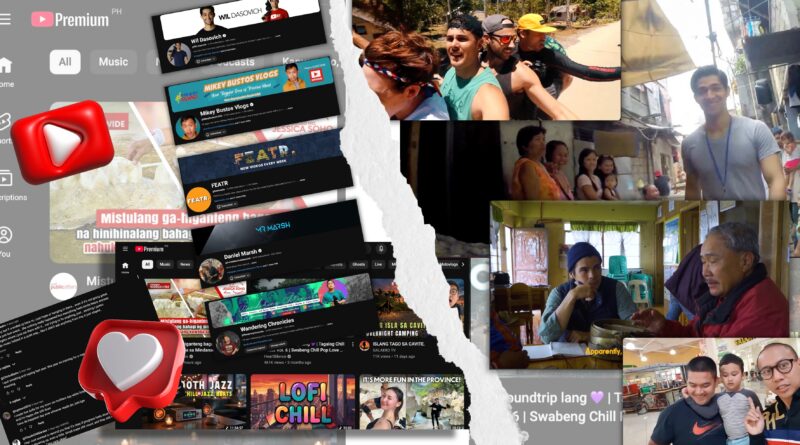
People find and share facts in fresh ways these days. Books and standard web searches still matter, but many now head straight to social media apps for quick answers and group input. Short video platforms stand out, especially for younger users. Gen Z, born between the mid-1990s and early 2010s, and Gen Alpha, born from around 2010 onward, treat TikTok and Instagram like everyday search tools. These apps also let users build directly on each other’s posts to grow ideas together.

Read More
Translation

The Double-Edged Scroll: Active vs. Passive Social Media Use and Stress

The impact of social media on mental well-being is a complex and multifaceted problem. Past research clearly shows a complex relationship between how people use these platforms and their psychological well-being.  A crucial aspect of this relationship lies in distinguishing between passive and active social media use. This analysis delves into the contrasting effects of these two engagement styles, examining how they differentially contribute to stress, loneliness, and overall well-being.

Read More
Professional Development

Level Up Your InfoScience Path: Build Powerful Networks for Lifelong Learning

In today’s rapidly evolving field of information science (IS), continuous learning is no longer optional, it’s essential. But keeping up with the latest trends and developments can feel overwhelming if you go it alone. That’s where the power of supportive networks comes in. By cultivating a network of mentors, colleagues, and fellow lifelong learners, you can create a dynamic learning environment that fuels your professional growth.

Read More
Translation

Can Anti-Rumor Campaigns Foster Positive Behavioral Change?

In an age where social media is pervasive and misinformation is rampant, maintaining a healthy online environment is crucial for curbing the spread of unverified rumors. Social media platforms often employ anti-rumor campaigns to foster a positive public atmosphere. However, a fundamental question remains: can these initiatives truly resonate with the public and prompt positive behavioral change? Do such campaigns have the power to influence people’s thoughts and actions in their daily lives?

Read More
Translation

Modern Portfolio Theory in Information Science

With the advancement of new technologies and information technologies, the volume of resources published on the web and databases is increasing daily. The web network has become one of the most important sources for accessing information. Therefore, retrieving information related to the user’s needs is of great importance. such a way that the purpose of databases and search engines is to provide the right information to the right users at the right time, however, identifying useful sites and information sources is very difficult for users.

Read More