SI Info Production

Original

From For You Page to Public Knowledge: How TikTok Shapes Student News

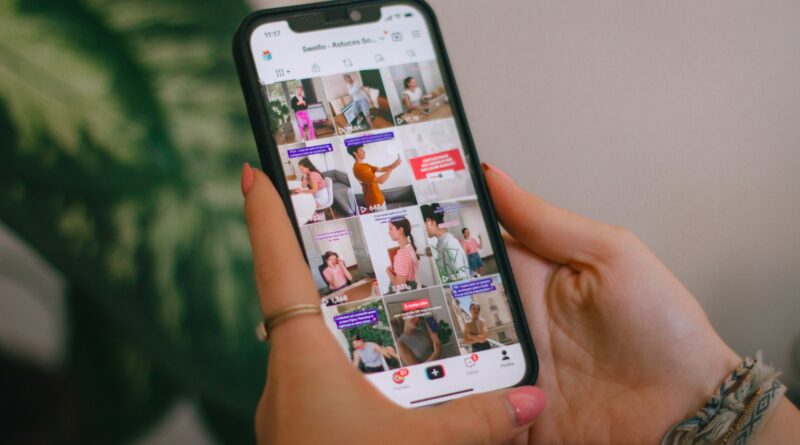
TikTok started as a place for fun videos, but for many students it has become a source of news. On the For You Page, a breaking headline can appear right after a dance trend, showing how algorithms now decide what we see. This makes news quick and easy to access, but it also blurs the line between fact and opinion. For Filipino youth, TikTok is more than entertainment: it’s shaping how our generation learns about the world.

Read More
Original

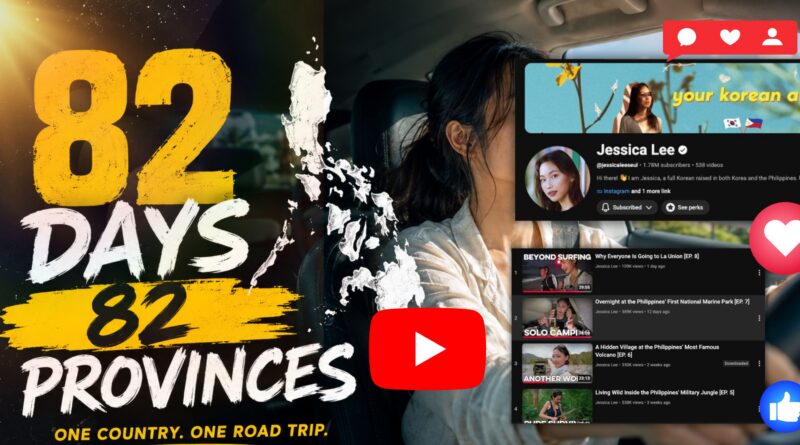
Facebook is the Internet: How Individuals Depend on Facebook Influencers, Community Groups as Information Sources

There is no love like Filipinos’ love for Facebook. — In the Philippines, it is not Google nor Safari that dominates as the information source, it is Facebook. In 2025, Facebook became one of the top information sources, next to the Internet, 75% of Filipinos rely on it daily for news. Approximately 95.8 million Filipinos use the platform which is an enormous chunk of the entire population. During the pandemic era, netizens formed massive communities inside Facebook. These can be seen in the forms such as but not limited to marketplaces (buy & sell and food vendors), local villages, and fandoms. Filipinos dominate the users of Meta, primarily Facebook and Messenger with a staggering 81.9% relative to its total population. Meeting a Filipino is highly likely on the internet and even more common in Meta platforms.

Read More
Opinion

When Health Claims Travel Faster Than Evidence: CAM Information in Networked Spaces

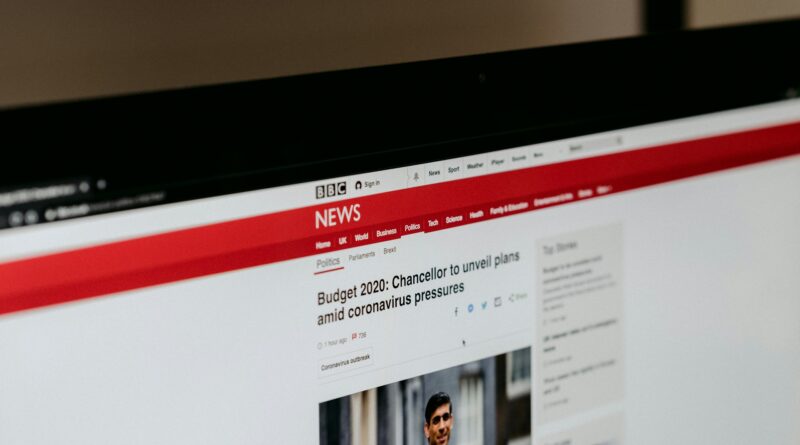
Health information no longer moves in a neat, straight line from the researcher’s bench to the clinician’s desk to the patient. Today, it ricochets. It travels through search engine auto-completes, TikTok feeds, private WhatsApp groups, and AI-generated summaries long before a patient ever sits down with a doctor or a medical librarian. For cancer patients and survivors exploring Complementary and Alternative Medicine (CAM), this networked reality creates both real possibility and serious risk. In digital spaces, the challenge isn’t just finding information. It is untangling how certain health claims become highly visible, endlessly repeated, and ultimately trusted.

Read More
Translation

When AI Output Becomes “Good Enough”: Not Everyone Evaluates AI the Same Way

Even when people use the same AI system, they do not evaluate AI-generated information in the same way. For example, imagine two students using Gemini or other generative AI tools for the same assignment and both receive nearly identical answers. One student quickly accepts the response and moves on. The other pauses, checks the information against outside sources, and revises the AI-generated output before using it.

Read More