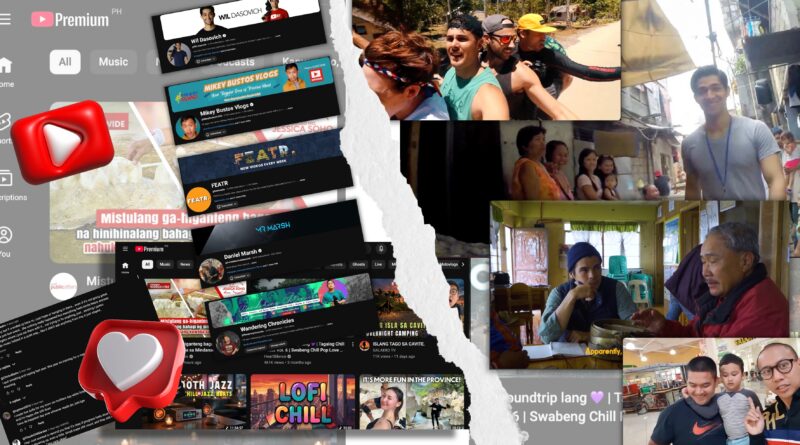
Kapwa and Believability: How YouTube Content Becomes Public Knowledge
Here, believability refers not simply to whether information is judged true or false, but to the social and cultural conditions through which visible content appears trustworthy enough to be accepted as meaningful knowledge. Rather than treating credibility as the outcome of algorithmic exposure alone, this article argues that believability is constituted through layered logics of personhood embedded within Filipino relational culture. In this sense, believability is not only informational, but relational and performative: a socially negotiated form of credibility shaped through repeated acts of recognition, interaction, and affective alignment. Drawing from Filipino Personhood Theory, these logics begin with Kapwa as relational trust, extend through Pakikiramdam as communicative attunement, and culminate in Kagandahang-loob as moral credibility. What platform theory often reads simply as charisma, authenticity, or audience engagement may be more precisely understood as pakikipagkapwa in motion, a culturally grounded mode of relational performance through which visibility acquires trust, affective legitimacy, and social recognition. In this sense, relationality is not the opposite of strategy; it is strategy. Believability, therefore, names the process through which relational recognition transforms visibility into legitimate public knowledge.
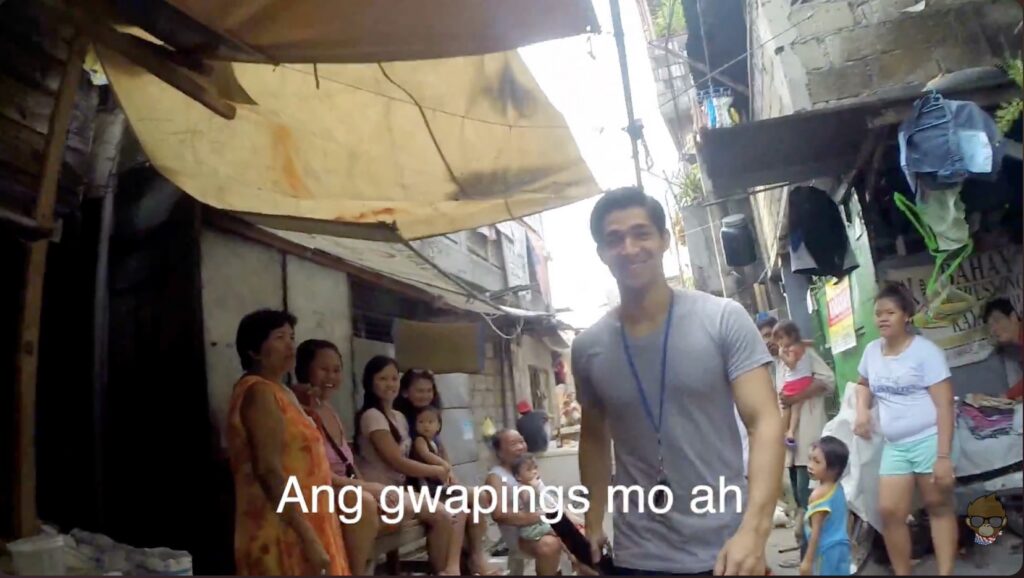
The discussion that follows draws from a broader qualitative study of biracial Filipino YouTubers, where Kapwa, Pakikiramdam, and Kagandahang-loob were examined as digital performances of Filipino personhood. Within these findings, Kapwa emerges not simply as collectivism, but as a relational logic through which visibility acquires trust. Trust on YouTube is more than a metric of views; it is a relational achievement shaped through recognizable forms of openness, familiarity, and shared sociality. Across YouTube interactions, creators cultivated sociability, spontaneity, humor, and relational openness through spontaneous social interactions, casual exchanges, and ordinary gestures of familiarity. These performances made visibility appear authentic not because they performed idealized versions of themselves, but because they performed relational qualities recognizable within Filipino relational culture. In this sense, authenticity is relationally produced: it emerges through reciprocal recognition between creators and audiences, where visible personalities become socially credible and worth engaging. Kapwa therefore functions as relational trust, a mode of pakikipagkapwa-tao through which public knowledge becomes not simply transmitted, but relationally co-constructed.
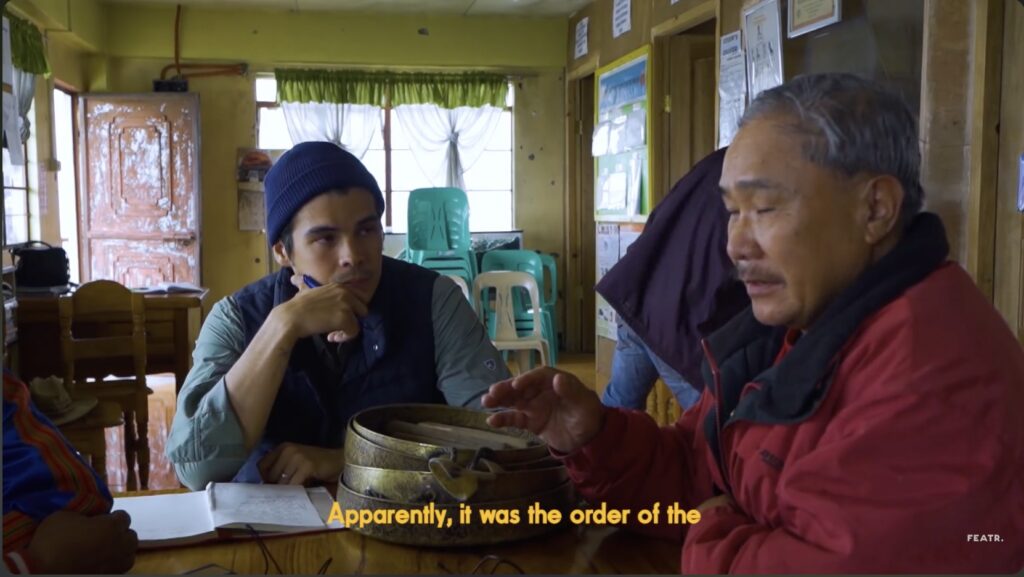
If Kapwa establishes relational trust, Pakikiramdam explains how that trust is sustained through communicative attunement. Across the findings, Pakikiramdam appeared through indirectness, humor, diplomatic speech, subtle cue-reading, and nonverbal sensitivity. In the architecture of YouTube, visibility may be a prerequisite, but believability is often earned through a creator’s capacity to sense the emotional atmosphere of a digital encounter and respond with social sensitivity. These practices show that believability is not produced only by what creators say, but by how they anticipate reactions, read context, and adjust their performances accordingly. In this sense, Pakikiramdam works as relational sensing: an ability to recognize tone, hesitation, humor, affective cues, and unspoken meanings before responding. Visible content becomes believable when it appears socially attuned rather than oriented primarily toward self-promotion. Through Pakikiramdam, creators do not simply communicate information; they cultivate affective alignment and relational conditions that allow audiences to perceive them as sensitive, careful, and credible.
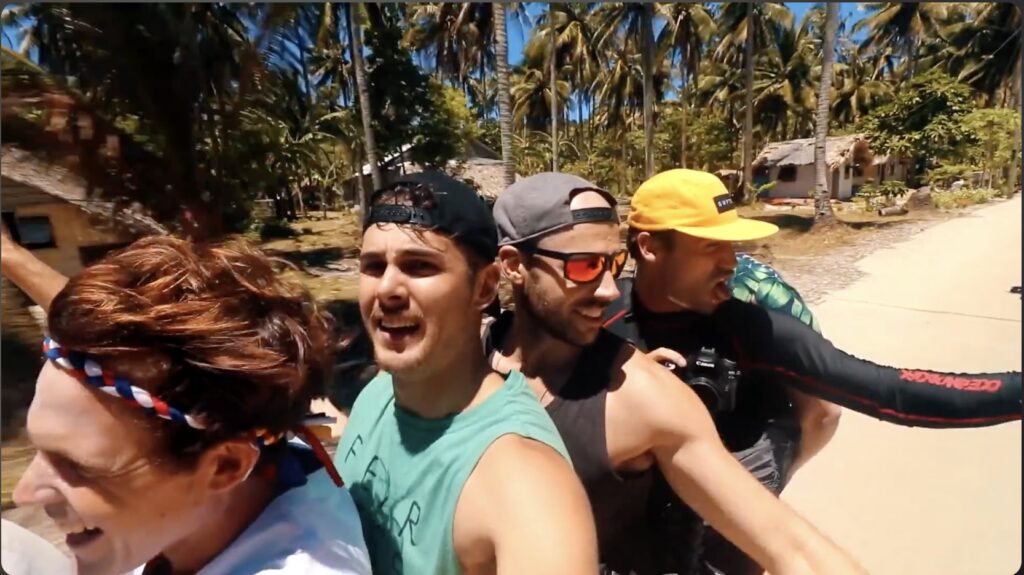
Beyond trust and attunement, believability also depends on moral credibility, which Kagandahang-loob helps make visible. Drawing from my qualitative analysis of biracial Filipino YouTubers, Kagandahang-loob emerged through visible expressions of generosity, gratitude, hospitality, altruism, and social sensitivity. Creators opened personal spaces to others, shared stories of cultural life, extended help to others, and expressed forms of pagtatanaw that honored relational indebtedness beyond a purely transactional understanding of reciprocity. These performances mattered not simply because they appeared “kind,” but because they signaled moral credibility and relational grounding. On YouTube, visibility becomes more believable when audiences perceive creators as acting with goodwill rather than mere self-interest. In this sense, believability is not achieved through visibility alone or through the constant performance of transparency, but through visible enactments of care, sincerity, and moral intentionality. Kagandahang-loob therefore functions as a mode of moral visibility through which creators appear trustworthy, socially accountable, and worthy of recognition within digital publics.
Taken together, Kapwa, Pakikiramdam, and Kagandahang-loob show that believability on YouTube is not merely a matter of visibility, popularity, or algorithmic circulation. It is culturally constituted through relational trust, communicative attunement, and moral credibility. Public knowledge within platformed publics is therefore not simply the accumulation of visible information, but a cultural formation shaped by socially recognizable modes of credibility. While YouTube affords unprecedented visibility, exposure alone does not automatically produce legitimacy. What may appear in dominant platform theory as charisma, authenticity, or engagement can be understood, in the Filipino context, as personhood made visible through culturally mediated forms of trust and recognition. This is where Filipino personhood becomes both inherited relational values and algorithmic currency: it shapes how creators become recognizable, trusted, and meaningful within platform environments. Public knowledge, then, is formed not only through what content reaches audiences, but through what audiences are culturally prepared to recognize as believable.

Reframing visibility through believability allows us to understand YouTube not only as a platform of circulation, but as a space where public knowledge is culturally formed. Filipino Personhood Theory helps explain how trust, attunement, and moral credibility shape what becomes recognizable as meaningful knowledge within digital publics. Rather than rejecting platform theory, this intervention expands it culturally by showing how visibility and recognition are mediated through relational infrastructures of trust that exceed algorithmic metrics alone. This also invites comparative work on how believability may be constituted differently across platforms and cultural contexts. Public knowledge is not only technically distributed. It is culturally constituted through layered logics of personhood.