Rural Women Hold Some of Iran’s Most Valuable Knowledge. Can Information Literacy Help Them Keep It?
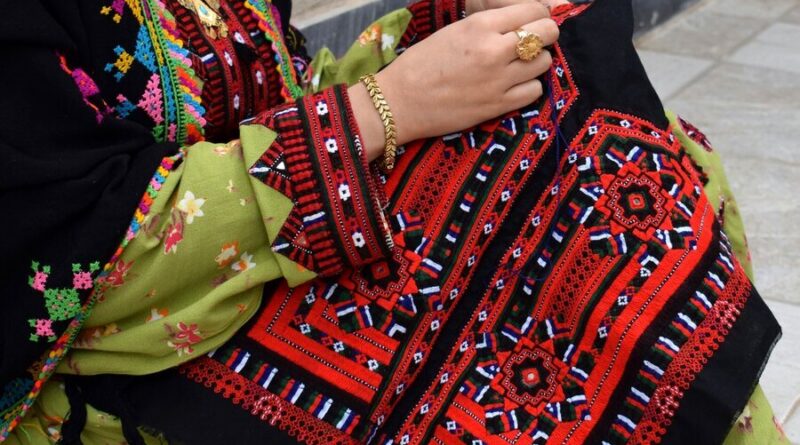
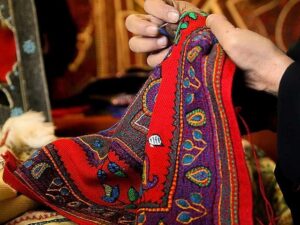
A rural woman from southeastern Iran works on a piece of traditional Baluchi embroidery, a craft passed from mothers and grandmothers to younger generations.
This question points to a future challenge for Information Literacy (IL). When people hear the term information literacy, they often think about searching online, spotting misinformation, or evaluating websites. These skills matter. Yet recent thinking in Information Literacy suggests that IL is also about understanding how knowledge is created, valued, shared, and sustained within communities. Information literacy is not only about finding information. It is also about recognizing valuable knowledge, preserving it, sharing it responsibly, and ensuring that it survives for future generations. In Iran, one of the most important priorities for the future of IL may be helping rural women preserve the indigenous knowledge they already possess and pass on to future generations.
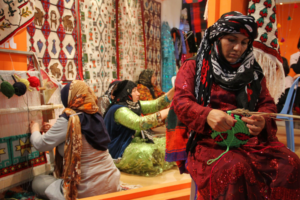
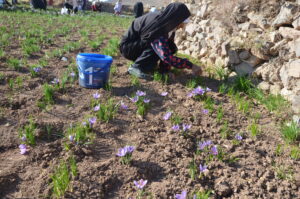
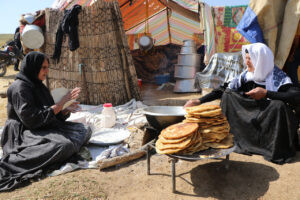
For generations, rural and nomadic women in Iran have helped keep indigenous knowledge alive while supporting local economies and community life. They pass on the skills of Baluchi embroidery, tribal rug weaving, jajim and kilim production, traditional food preservation, and other practices that have been refined over centuries. Much of this knowledge is not found in books, archives, or online databases. It is shared through observation, practice, and storytelling. Yet many of the conditions that once supported this transfer of knowledge are changing. Young people are leaving villages for cities, traditional livelihoods are becoming less common, and opportunities for intergenerational learning are declining. The loss of this knowledge is more than a cultural concern. Traditional skills and local practices contribute to household incomes, community resilience, and sustainable ways of using natural resources. If they are not documented, shared, and preserved, future generations may lose access to knowledge that has helped communities thrive for centuries.
This is where Information Literacy can make a real difference. Imagine public libraries across rural Iran partnering with women to document and preserve local knowledge. In Sistan and Baluchistan, women could record the stories and techniques behind Baluchi needlework. In East Azerbaijan and Ardabil, nomadic women could document the patterns and symbols woven into tribal rugs, kilims, and jajims. In Kerman, libraries could help preserve knowledge related to pomegranate cultivation, traditional food preparation, and pateh embroidery. Older women could share skills and experiences that have been passed down for generations, while younger women use mobile phones and digital tools to record, organize, and share that knowledge. Community archives could capture traditions, stories, and practices that might otherwise disappear. In this context, Information Literacy is not simply about finding information online. It becomes a tool for preserving cultural heritage, strengthening community identity, and connecting generations. Rural women become not only users of information but also creators, custodians, and sharers of knowledge.
As Information Literacy continues to evolve as a discipline, different countries will naturally face different priorities. In some places, the focus may be on artificial intelligence, misinformation, or digital citizenship. In Iran, one important priority should be helping rural women preserve and share indigenous knowledge. Preserving this knowledge is not only about protecting cultural heritage. It is also about supporting local livelihoods, strengthening communities, and ensuring that valuable knowledge remains available for future generations. The future of Information Literacy should not be limited to helping people find information. It should also help communities document, preserve, and share the knowledge they already hold. Some of Iran’s most valuable knowledge resources are not stored in libraries, archives, or databases. They live in the memories, experiences, and skills of rural women. The challenge for the future of Information Literacy is whether we can provide the tools, support, and opportunities needed to ensure that this knowledge continues to thrive.